Gas To Liquids - Exxon On A Firm Footing In Qatar
Add bookmark
Amid much fanfare in Doha, Qatar’s RasGas signed a long-term LNG supply deal with Taiwan’s CPC, with Exxon CEO Rex Tillerson in attendance for the signing ceremony.
EXXONMOBIL built a strong lead over its rivals in Qatar over the past decade, and still holds the dominant position, with sizeable stakes in nearly all of the country’s 14 LNG trains. However, competitors such as Royal Dutch Shell and Total are now snapping at its heels, encouraged by a tiff between Exxon and the Qataris in 2010, says an analysis by the Energy Intelligence Group.
While Exxon appears to have patched up the relationship, observers say it can no longer take its special status for granted.
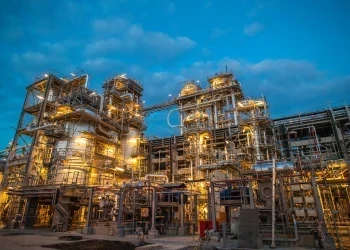
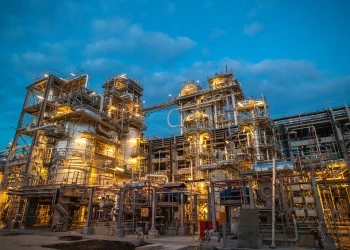
Shell’s resurgence was on clear display at the World Petroleum Congress in Doha in December 2011. Its Pearl gas-to-liquids (GTL) project, the largest GTL plant in the world, is set to reach full capacity in 2012, and just as the conference kicked off, Shell and Qatar Petroleum (QP) announced they had signed a deal to develop a $6.4 billion petrochemical complex in Ras Laffan.
This was originally slated to be an Exxon project, but the Qataris – frustrated with a series of delays and angry with Exxon after it undercut Qatar on LNG sales to Taiwan – last year began looking for other partners.
While the dispute is thought to have cost Exxon the rights to build that petrochemical plant, there are signs that the dustup may be a thing of the past.
[eventpdf]
Officials say this will remain in place until at least 2015, with the decision to lift the moratorium
dependent on a study due to be completed sometime that year. With companies positioning themselves for a stake in any new projects, they are keen to be in the Qatari leadership’s good graces.
Shell’s decision to move forward with the Pearl GTL project, despite outside scepticism about the project’s financial viability, certainly won’t hurt its position. Soaring costs forced Exxon to shelve its Palm GTL project in Qatar in 2007.
The Pearl GTL project has given Shell a foot in the door and vindicated its decision to proceed, allowing it to play a central role in Qatar’s claim to be the "GTL capital of the world."
Ironically, it was Shell that discovered Qatar’s North Field in the 1970s, but at the time gas was not seen as commercially attractive and LNG was still in its infancy.
Amid a series of commercial disputes with QP, the company decided to exit the country in 1991 when its license to operate offshore oil fields expired.
Shell began its comeback more than a decade later by signing a deal in 2004 to develop Pearl GTL and landing a 30 per cent stake in the Qatargas-4 venture with QP in 2005, which began delivering 7.8 million tonnes of LNG earlier in 2011. BP also walked away from Qatar’s LNG industry in 1992, and has since failed to win back any oil or gas position in the country.
Although Shell was late to the scene, it has "spent close to $20 billion over the last five years in Qatar," Andrew Brown, head of the major’s operations in Qatar, said in Doha. "Nine years ago we had no one here for Shell in Qatar and now we’re the largest foreign investor in the country," he added.